
Opening Hours

Monday: 10 am - 5 pm
Tuesday: 10 am - 5 pm
Wednesday: 10 am - 5 pm
Thursday: 10 am - 5 pm
Friday: 10 am - 5 pm
Saturday: 10 am - 5 pm
Sunday: 10 am - 5 pm
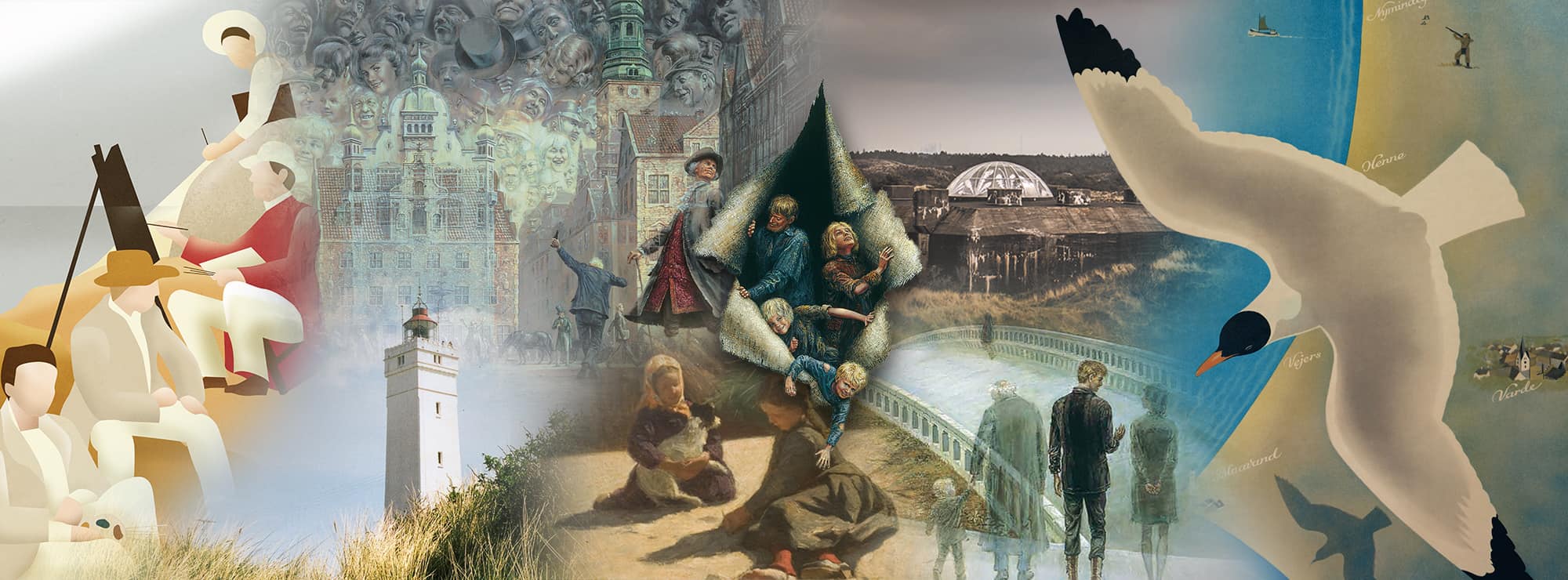
Vardemuseerne collage

Organisation

Vardemuseerne offers a wide range of museum experiences between sea and heath. At our museums and visitor sites, guests can explore West Jutland’s cultural history, art and nature. Here, local stories about people and life in the westernmost part of Denmark open up histories and perspectives that reach far beyond the area.

Vardemuseerne

From bunkers and refugee history to amber, rescue stations and art. From the world’s first cooperative dairy to Otto Frello’s imaginative paintings. Vardemuseerne offers a wide range of museum experiences between sea and heath. At our museums and visitor sites, guests can explore West Jutland’s cultural history, art and nature. Here, local stories about people and life in the westernmost part of Denmark open up histories and perspectives that reach far beyond the area.


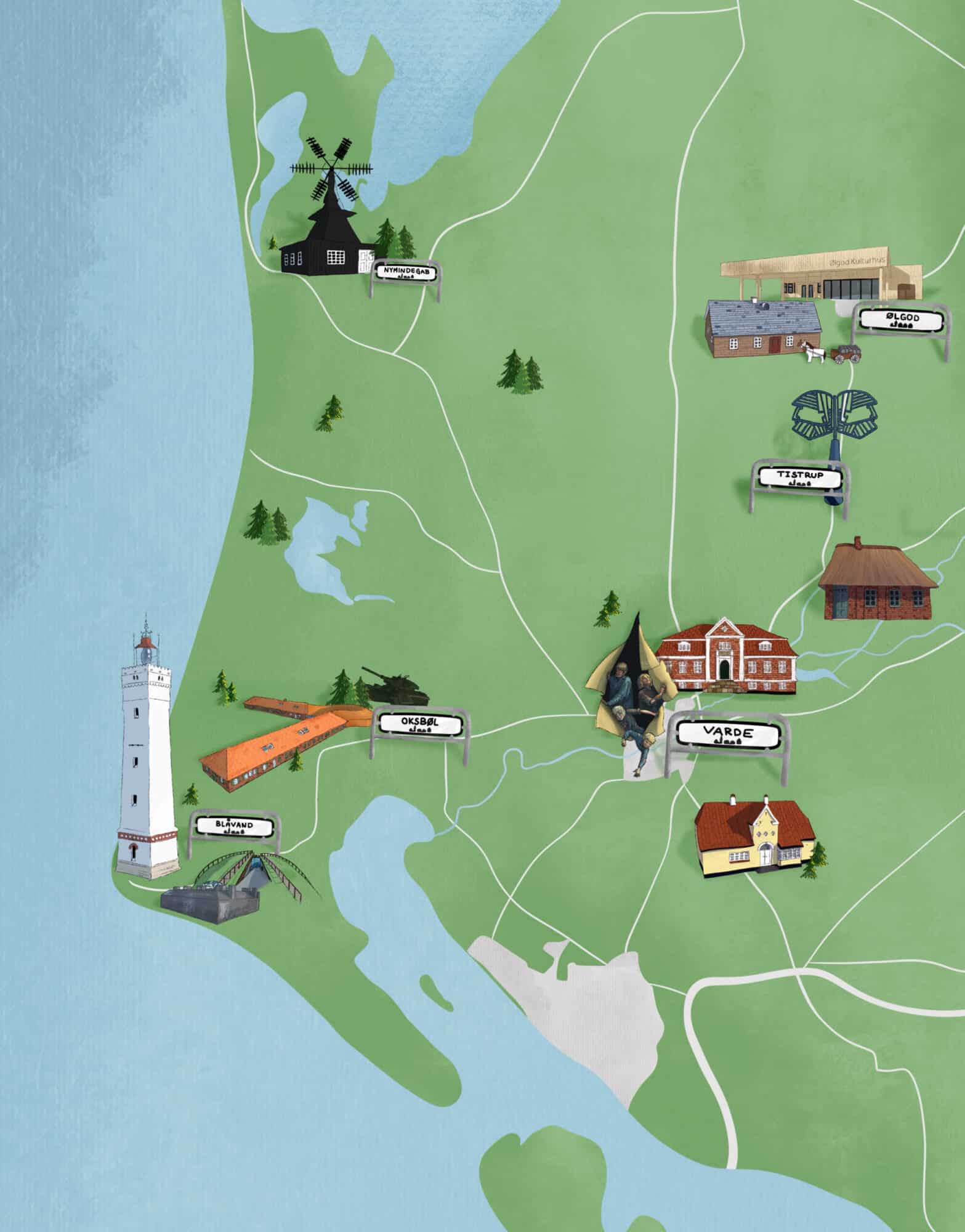
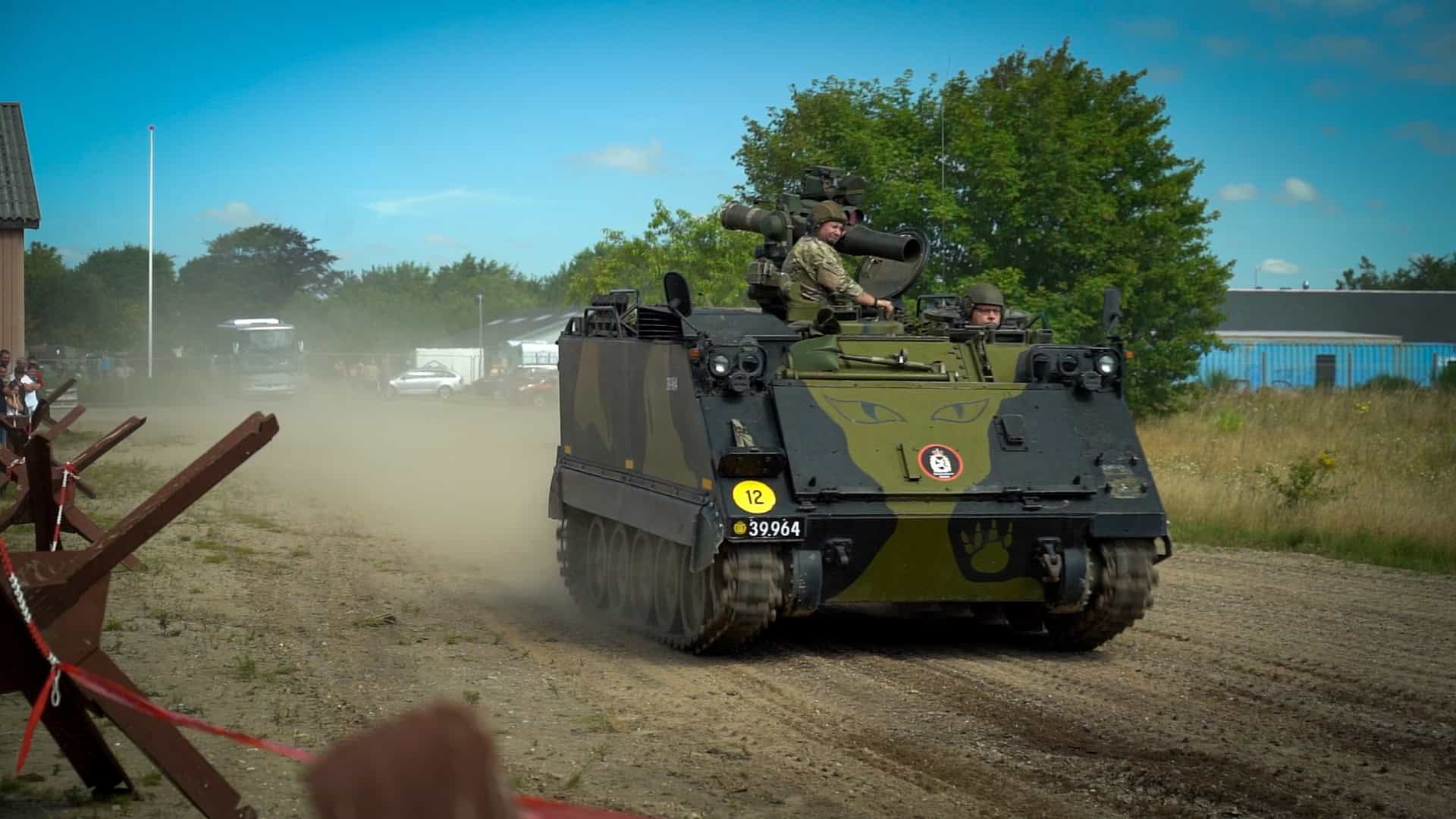
Among other things, Vardemuseerne operates TIRPITZ, FLUGT – Refugee Museum of Denmark, the Armour & Artillery Museum, Blåvandshuk Lighthouse, Museum Frello, Nymindegab Museum and JANUS – Museum of Contemporary Art, as well as a number of smaller museums and visitor sites in Varde Municipality.


Knowledge, experiences and interpretation

Behind the museum experiences is a self-governing, state-recognised museum institution. We work to collect, preserve, research and interpret knowledge about cultural history, art and nature. Our point of departure is West Jutland, but many of the stories are of both national and international significance.


Interpretation takes place at the museums, out in the landscape and through exhibitions, teaching, lectures, events and digital offerings. Vardemuseerne also includes NaturKulturVarde, which works with nature and cultural interpretation and teaching. The archaeological work is carried out in collaboration with Ringkøbing Fjord Museer under the name Archaeology West Jutland (ArkVest). From 2026, the Historical Collection from the Occupation Period has also become part of Vardemuseerne.


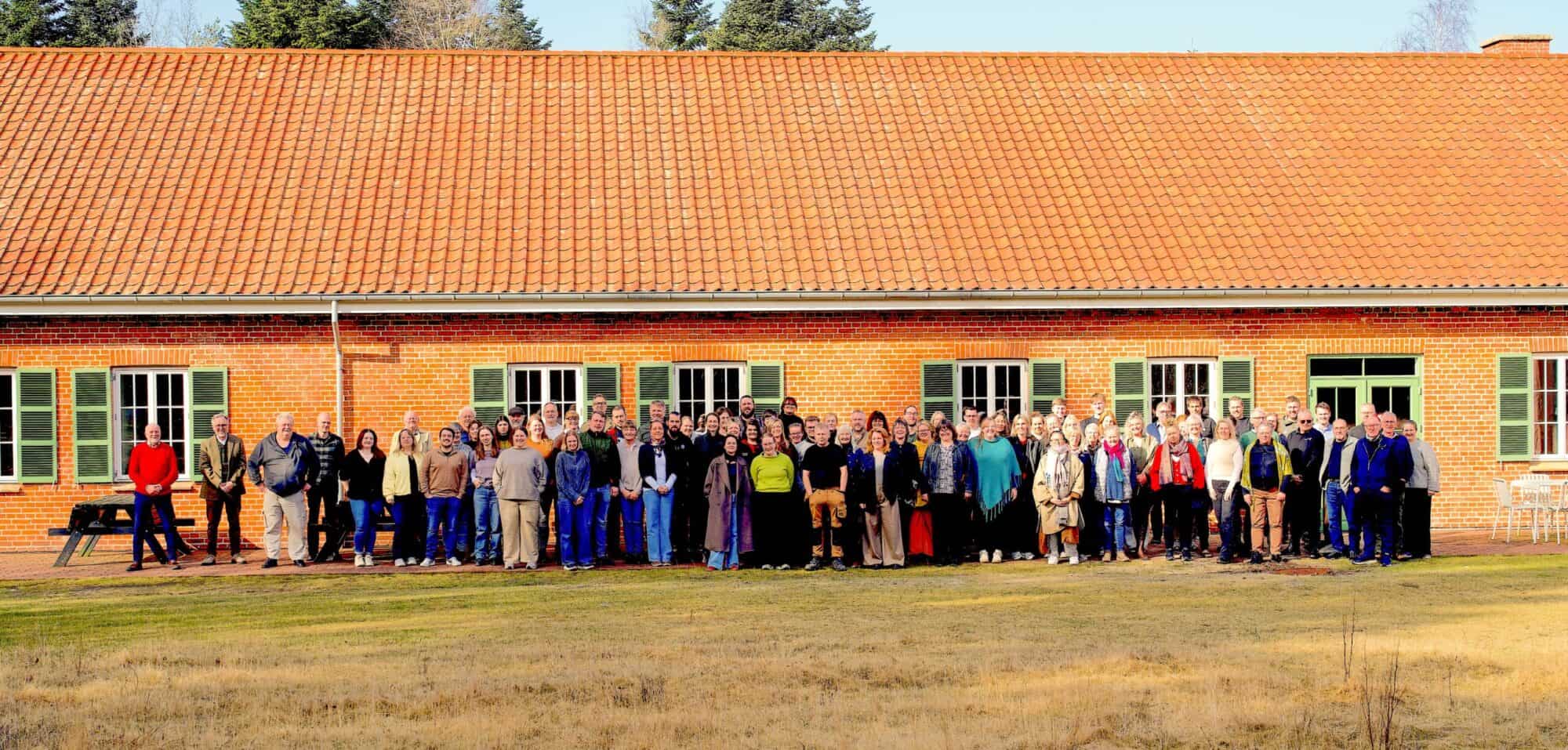
Vardemuseerne is led by a board and has a number of active museum associations and friends’ associations affiliated with it.


Our ambition is to create new knowledge, preserve history and make it accessible to as many people as possible. Whether history is told at an art museum, in a bunker, in an old village school or in the middle of the West Jutland landscape, there are new stories and perspectives to discover.
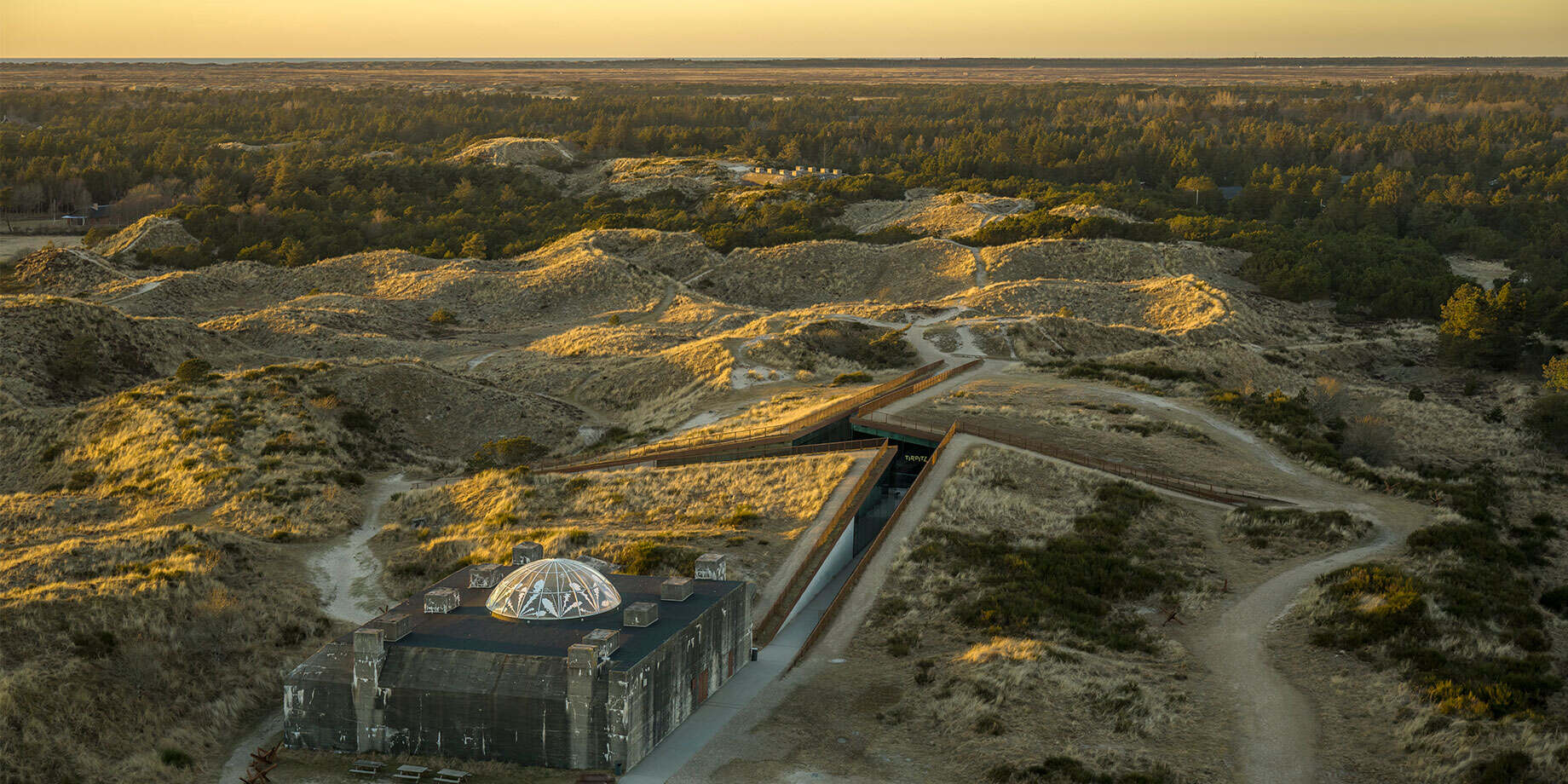
Tirpitz—den-skjulte-vestkyst

Vardemuseerne policies

Vardemuseerne’s vision and mission

Vardemuseerne’s vision

The museum must be agenda-setting and identity-forming by connecting people, landscape, art and culture.

  • Our research must be of the highest professional standard, as the basis for strong interpretation.
  • Our interpretation must be of an international standard and targeted at national and international audiences.

The museum must always be experienced as a positive, serious and qualified partner and help put the area on the map.

Vardemuseerne’s mission

The museum is a service organisation that must:

  • Collect and produce new knowledge about the area’s history
  • Manage the municipality’s ancient monuments responsibly
  • Provide relevant, engaging and up-to-date interpretation of cultural history, both for the municipality’s residents of all ages and for the area’s tourists.

Vardemuseerne’s development plan

Our development plan is revised every four years. If you would like to see where we are heading, you can read the current plan here.

Vardemuseerne’s statutes

The museum’s statutes will be available here.

Vardemuseerne’s terms and conditions

Click here to read our terms and conditions

Vardemuseerne’s external personal data policy

Click here to read our external personal data policy.

The museum’s collecting policy

The museum collects archaeological and historical objects from Varde Municipality. Archaeological collecting takes place in accordance with the Museum Act, and most excavations are carried out due to construction work or similar. The collection of historical objects follows the museum’s collecting and deaccessioning policy, which you can read <a href="http://vardemuseerne.dk/wp-content/uploads/2016/08/Vardemuseernes-indsamlingspolitik.pdf" target="_blank" rel="noopener noreferrer">here</a>.

The museum’s special national focus areas are: the cooperative movement; the Atlantic Wall and coastal defence installations; art and artists in West Jutland. Internationally, there is a focus on two areas: refugee history since the Second World War and amber. Within these areas, we collect objects beyond the boundaries of Varde Municipality.

If you would like to know whether the museum is interested in taking over an item you own, please contact us. We will always begin by assessing whether the object is relevant in relation to our collecting policy and by checking whether we already have similar objects in our collection. When an agreement is made to transfer an item to the museum, the donor will sign a transfer agreement which, as a rule, gives the museum the right to deaccession the object. We will also ask for a signature confirming that the donor’s name may be included in digital databases, as our object information is shared with other museums and users.

Vardemuseerne’s interpretation policy

Is being prepared.

Vardemuseerne’s research policy

Is being prepared.