








The Co-operative Dairy – the Cradle of Democracy
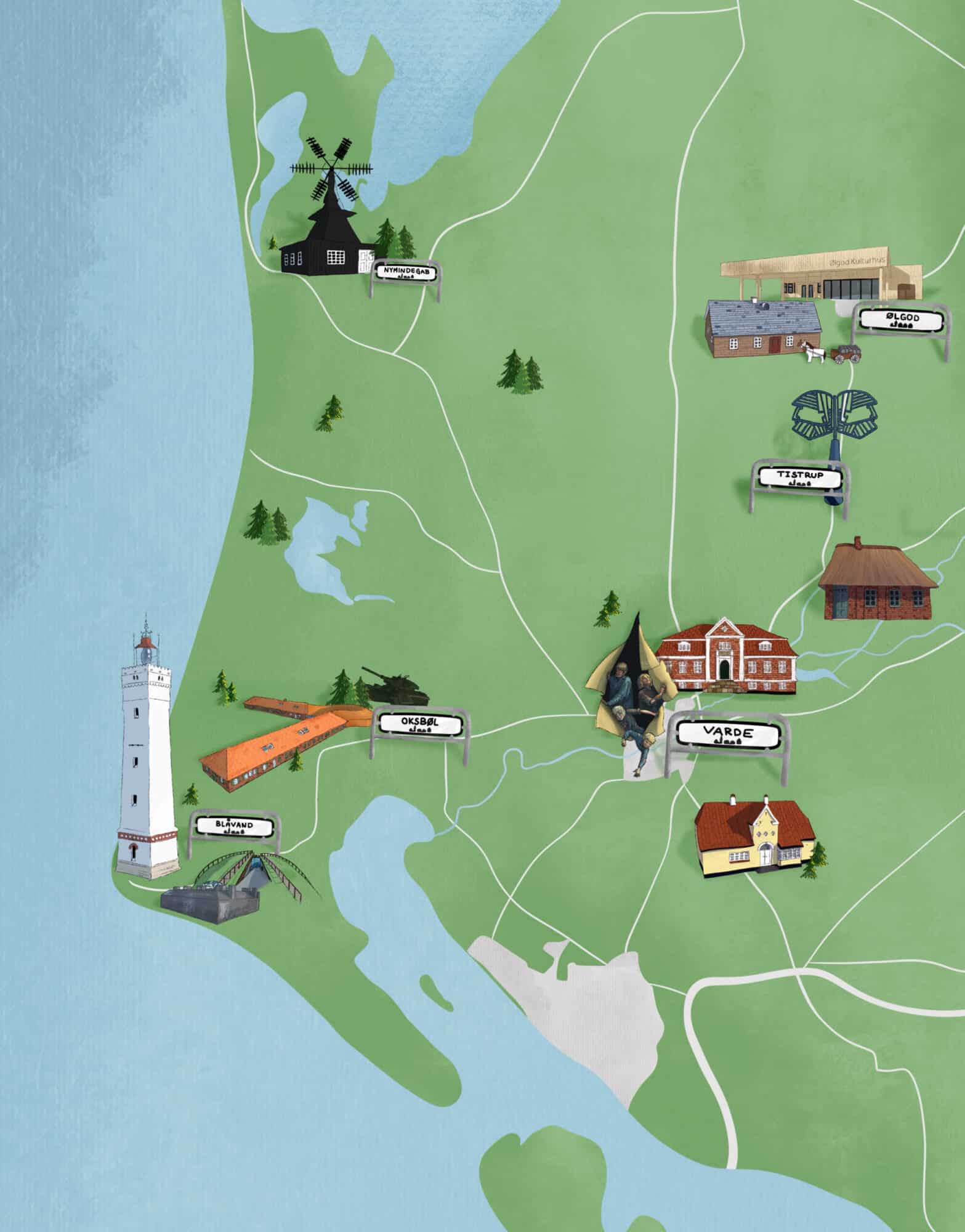
In 1882, local farmers drafted—over the course of a single night—the bylaws for Denmark’s first co-operative dairy in Hjedding. The co-operative idea’s principles quickly gained a foothold in many other businesses in the agricultural sector.
At the end of the 19th century, a golden era in Danish agriculture came to an end with drastic falls in grain prices, followed by Germany’s ban on the export of live cattle—something Danish farmers had otherwise relied heavily on.
Meanwhile, interest in butter production had begun to grow. However, it was not always easy, as butter production required a great deal of milk. On many farms, milk from several days’ milking was therefore used, with the result that the milk was often sour by the time it reached the butter churn.
The co-operative dairy is born
In the winter of 1881–82, a young man arrived in Ølgod. He offered to teach the farmers how to churn butter. The man made a strong impression, and word quickly spread among the local farmers: Should they join forces and establish a shared dairy? That way, all the milk could be gathered in one place, and quality butter could be produced. The result was Hjedding Co-operative Dairy—the first of its kind in the country.
Three months later, the dairy became a reality. Less than 10 years later, there were more than 1,000 co-operative dairies in Denmark.

Together, we are strong
Technological development—with the centrifuge at its centre—made it possible to produce butter from fresh milk. Butter became an important export commodity at the end of the 19th century, and farmers now found they could get a good price for their butter. The guiding principle— together, we are strong —resulted, among other things, in higher-quality butter and greater profits for the farmers. The co-operative movement’s democratic principles, such as equal voting rights (everyone had one vote regardless of the number of cows) and shared responsibility, spread like ripples in water to, among others, slaughterhouses and shops. Forenede Danske Brugsforeninger, FDB (today known as Coop), thus came into being in 1896.
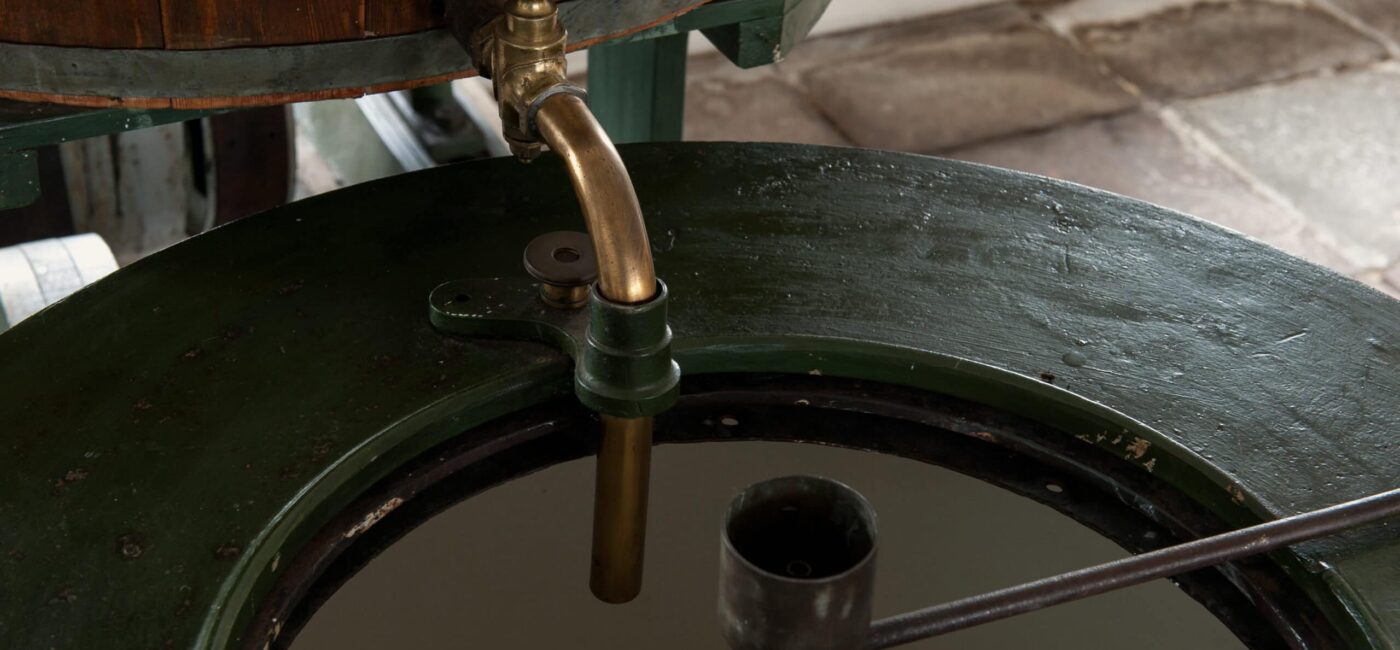
The centrifuge could separate the cream from fresh milk. And when people joined forces, they had enough to fill it. That meant fresher butter and better prices.