






From Esbjerg to Oksbøl: Historical archive soon settled in its new home
One of the country’s most extensive collections on the German occupation of Denmark is almost in place at Vardemuseerne. After months of work, most of the Historical Collection from the Occupation Period has been moved from Esbjerg to Oksbøl. And this is no ordinary move.
Illegal newspapers, letters, books, accounts and propaganda from World War II. There is plenty to tackle when an entire archive from the occupation period has to be moved.
And that is exactly what has happened during 2026, as Vardemuseerne has been working to establish a new home for the Historical Collection from the Occupation Period (HSB).
Vardemuseerne took over the collection from Museum Vest on 1 January 2026, when archive manager and historian Henrik Lundtofte also became part of the museum. By agreement between the two museums, 2026 was set aside to carry out the relocation of the substantial archive itself.
Now most of the work is successfully completed, and the last archival materials have been moved before the New Year.
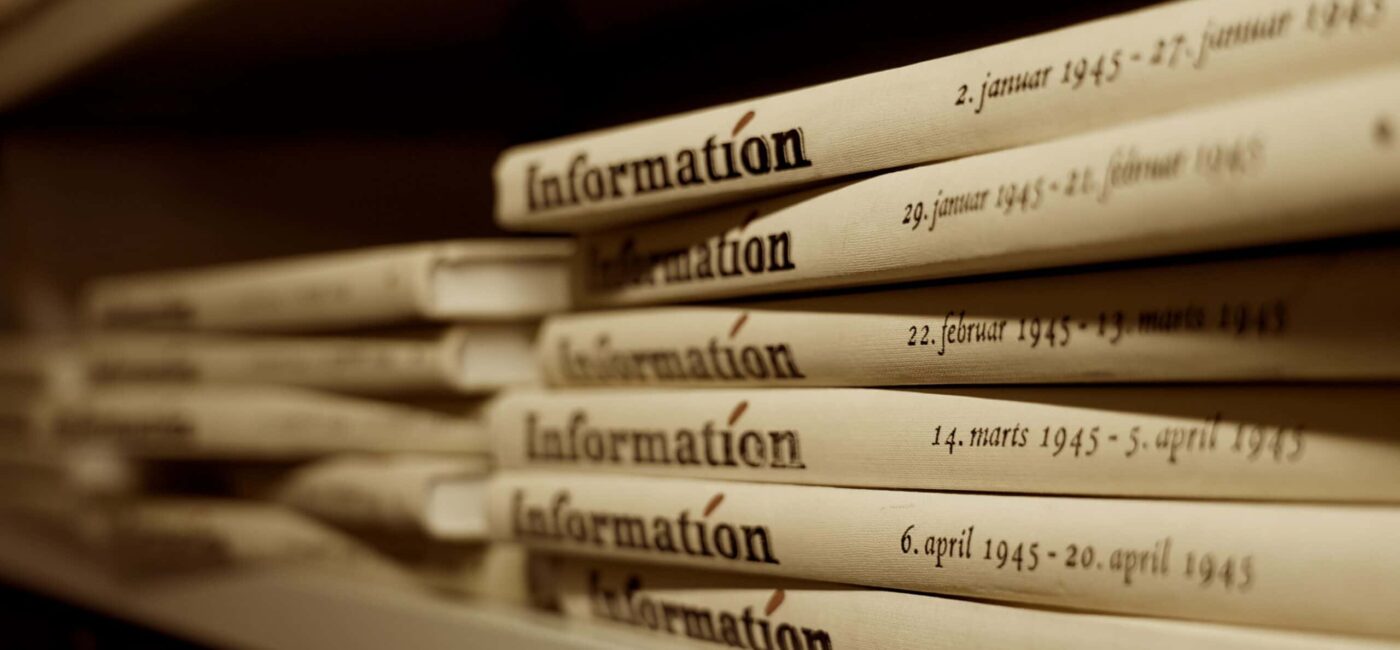
History needs a spell in the freezer
But how do you actually move an archive containing thousands of historical documents, many of which are more than 80 years old?
Above all, it requires care. And in this case, also a freezer.
As part of the relocation process, the material has been frozen at -30 in special freezer containers. This is done, among other things, to ensure that any pests do not make their way into the new storage facilities. An extra step that helps make the move a larger logistical task than one might think.
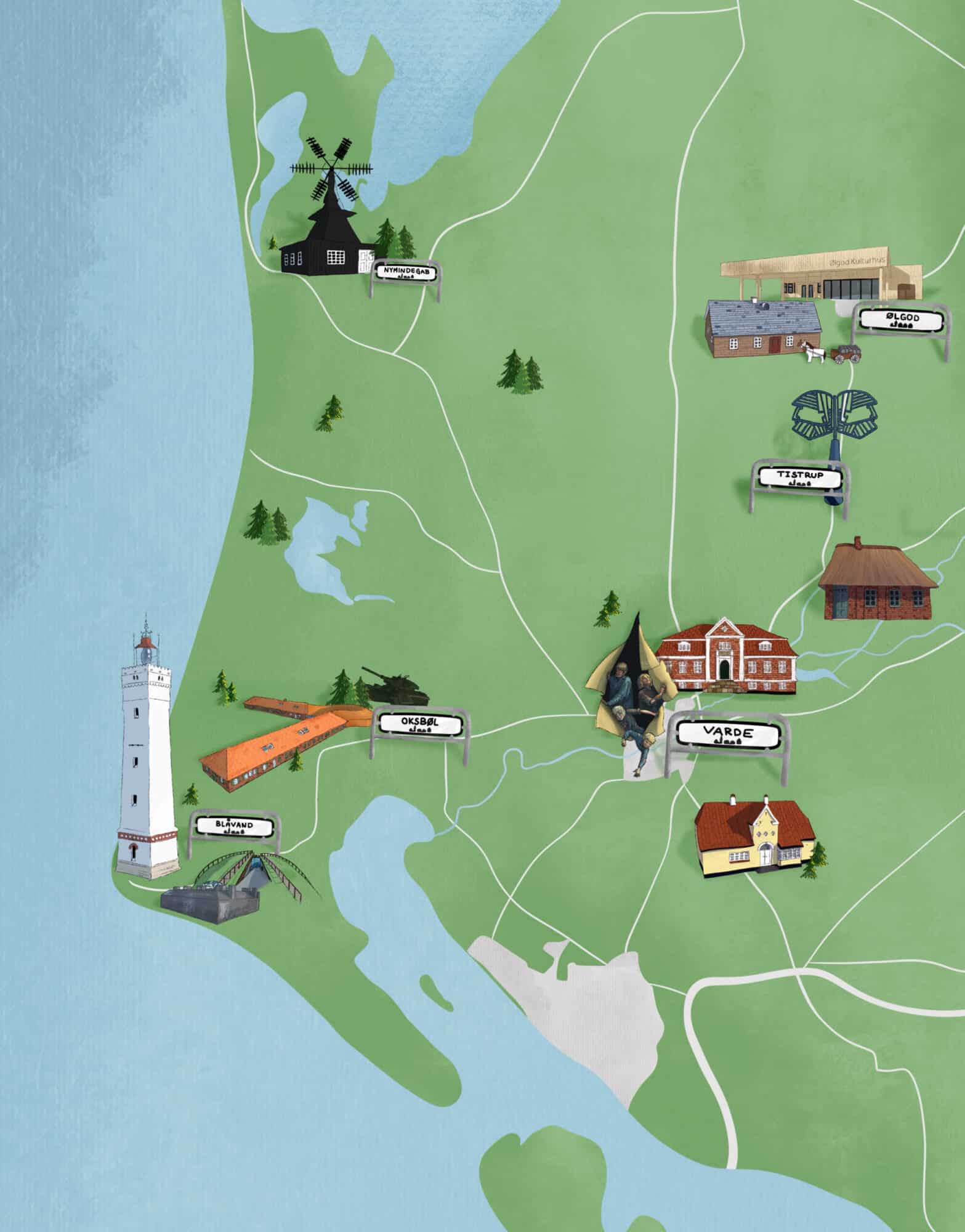
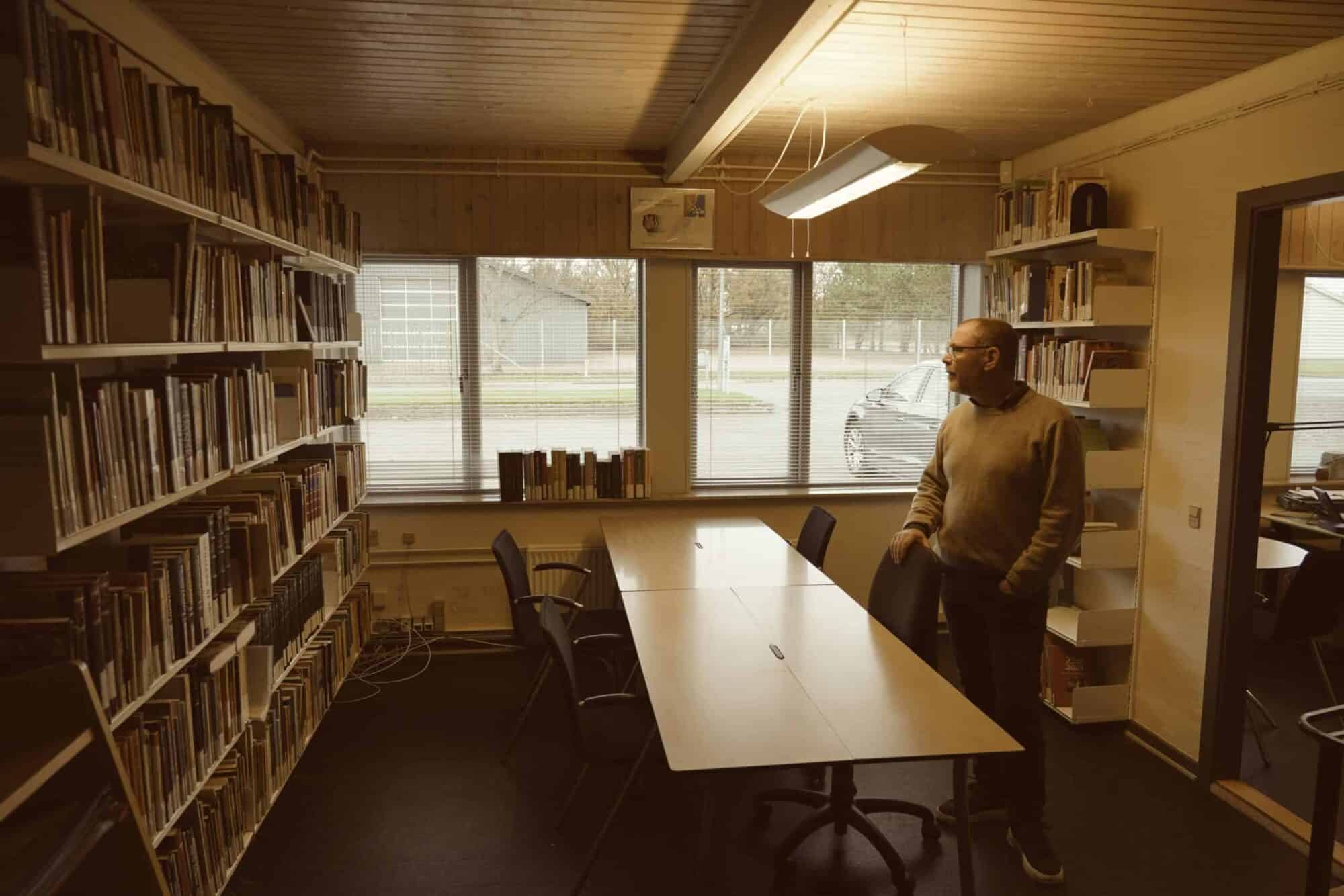
Part of the collection has now been put in place at Vardemuseerne’s storage facility in Oksbøl, while most of the remaining material has been moved to the Panser & Artillerimuseum. This will be HSB’s address going forward, and a library, reading room and office spaces have already been set up, including for Henrik Lundtofte.
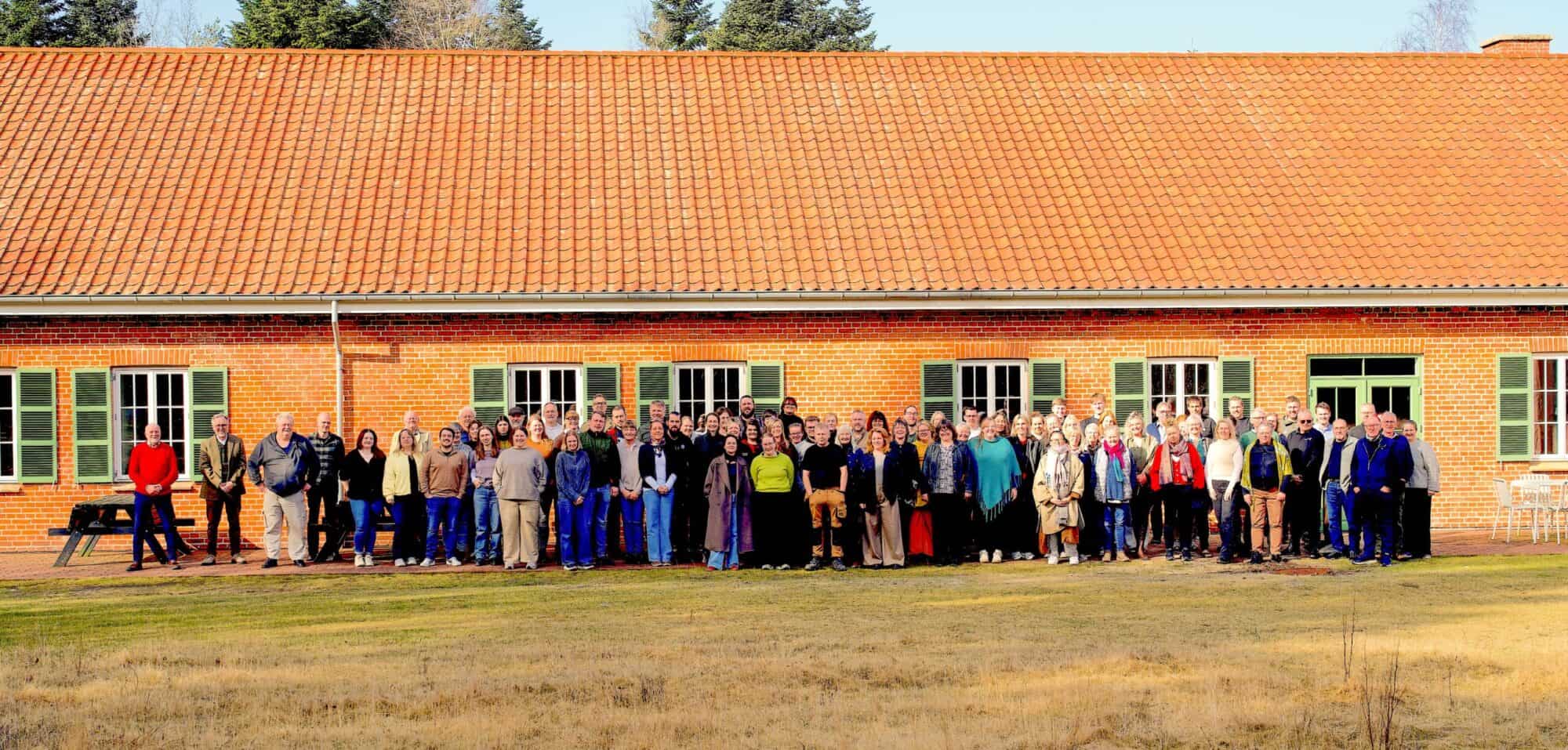
According to the archive manager, it is not least a number of new colleagues who deserve the credit for the process running to plan.
“It is a huge task to move such a large collection, and there is a great deal that has to come together. But it has actually gone very well, and that is due in no small part to Brian Rasmussen and René Sørensen from Vardemuseerne’s caretaker team, as well as collections manager Marianne Sørensen, who have put in a great deal of work to make it all succeed, so we can be finished well in time before Christmas,” says Henrik Lundtofte.
Began with illegal newspapers in 1943
The Historical Collection from the Occupation Period has a history that goes all the way back to the war.
In March 1943, resistance member Palle Schmidt began collecting illegal newspapers that were produced and distributed in secret during the German occupation. This marked the beginning of a collection that later grew into an extensive archive and library with material about the occupation period.
Today, HSB contains, among other things, more than 15,000 illegal newspapers, poems and songs, as well as accounts, letters and propaganda material.
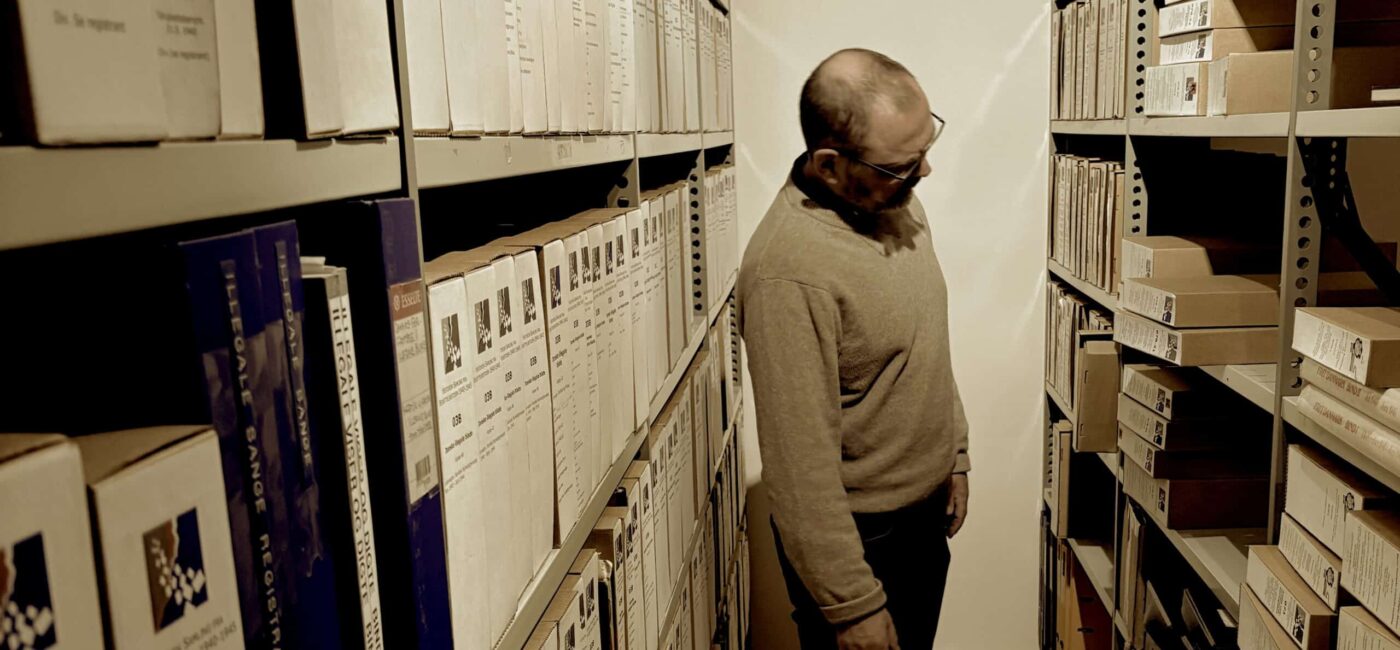
Over the decades, the collection has been an important foundation for research and communication about the occupation period. With the transfer to Vardemuseerne, the ambition is to continue this work as part of the museum’s engagement with World War II.
And with the last moving boxes on their way out of Esbjerg, HSB is now also close to being settled in its new home.
Would you like to visit the archive?
The Historical Collection from the Occupation Period is open to all interested parties by prior appointment. Here, visitors can use the library and study archival material in the reading room. Parts of the material require special permission, which you can apply for.
The archive is located at Industrivej 18, 6840 Oksbøl, by the Panser & Artillerimuseum.
Contact archive manager Henrik Lundtofte at hlt@vardemuseerne.dk or by phone 51 68 41 02.
Click here to read more about Historical Collection from the Occupation Period