





The history of Vardemuseerne
The Museum of the Town of Varde and Surrounding Area
The history of Vardemuseerne dates back to 1912, when wholesaler Cornelius Stau and his wife Elisabeth wished to donate a museum to Varde.
Cornelius came from Skyhede near Outrup, but had made a fortune as a businessman in Copenhagen, including through trade in groceries and exotic fruit. The couple had no children and wished to use part of their fortune to promote culture and historical knowledge in Cornelius’ home area.
The result was the Museum of the Town of Varde and Surrounding Area, the country’s 40th museum outside Copenhagen. The decision was adopted by Varde Town Council on 6 February 1912.
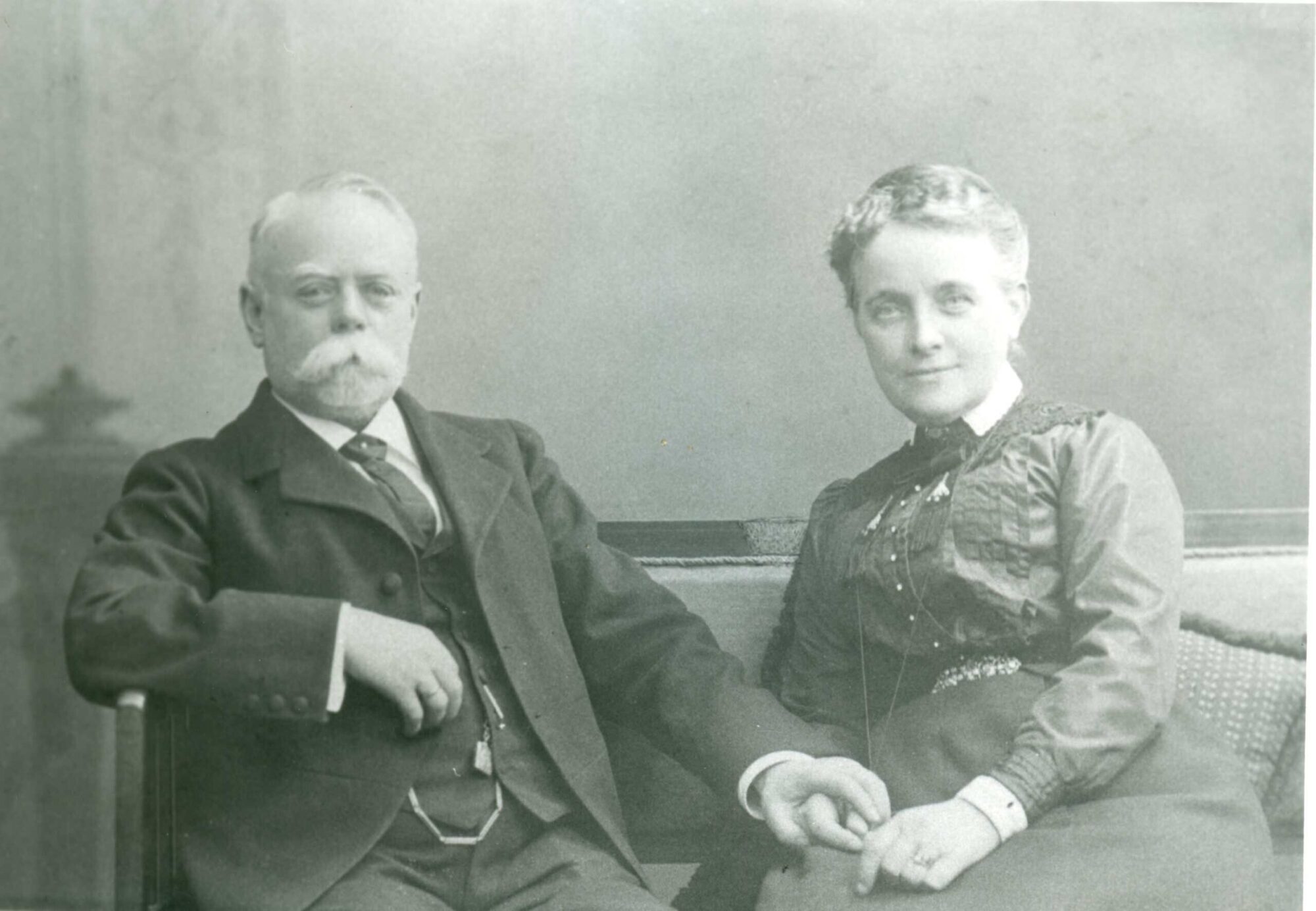
Cornelius and Elisabeth Stau
A collection is founded
To acquire objects for the museum, Stau organised the special exhibition From Old Homes in the Craftsmen’s Association’s great hall. The exhibition showed art and decorative arts from the town’s bourgeois homes and became a major attraction. The proceeds went to the new museum.
Stau wanted a museum building designed by the royal palace architect Thorvald Jørgensen from Copenhagen, but the town council was hesitant. Only when Stau offered to pay the entire construction cost were the plans carried through.
Varde’s museum
On 19 October 1914, Cornelius and Elisabeth Stau could welcome the press into the new museum on Lundvej in Varde.
At the opening, Sydvestjyllands Venstreblad described how the museum was not merely to be a beautiful building that citizens could admire from the outside. They were also to use it and learn from the collections. As the newspaper put it:
"PEOPLE MUST GO IN THERE, SEE AND LEARN!"
Varde had got its museum. Only many years later did it become the railway towns’ and smaller local communities’ turn.
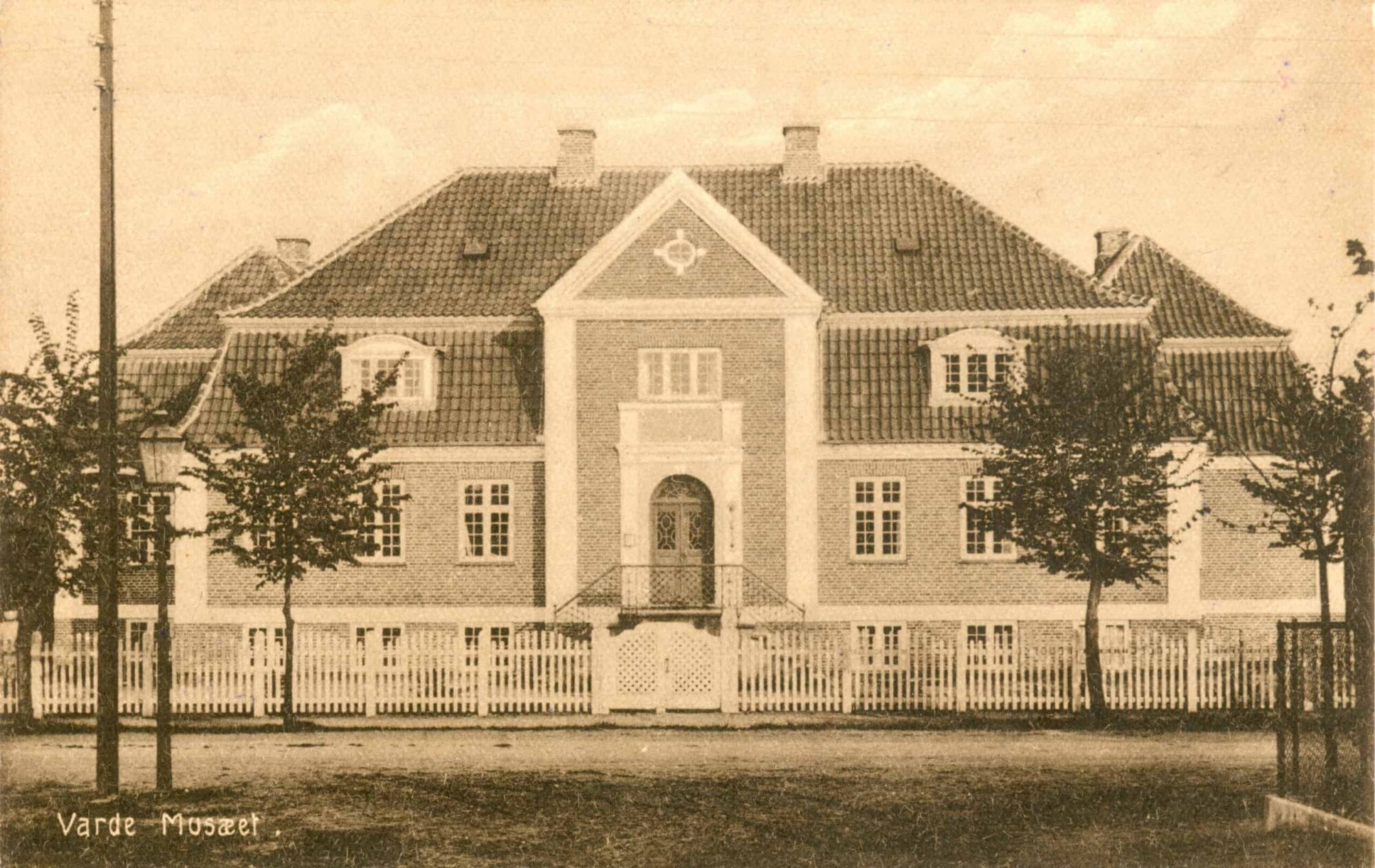
Varde Museum in 1914
The local-area museums
In the following decades, the museum landscape in Varde and the surrounding area grew.
Hjedding Cooperative Dairy was established as a museum in 1948 by the Dairy Association. In 1954, Ølgod Museum was founded to preserve the schoolteacher Holger Øllgård’s large historical collection. In 1971, Hjedding Cooperative Dairy and Hodde Old School became part of Ølgod Museum.
More local museums followed. Blåvandshuk Local Museum in Oksbøl opened in 1973, Blåvand Museum in 1974, and Blåbjerg Local Museum in Nørre Nebel in 1976. In 1979, the lifeboat stations in Nymindegab and Blåvand opened as museums.
The tourist museums
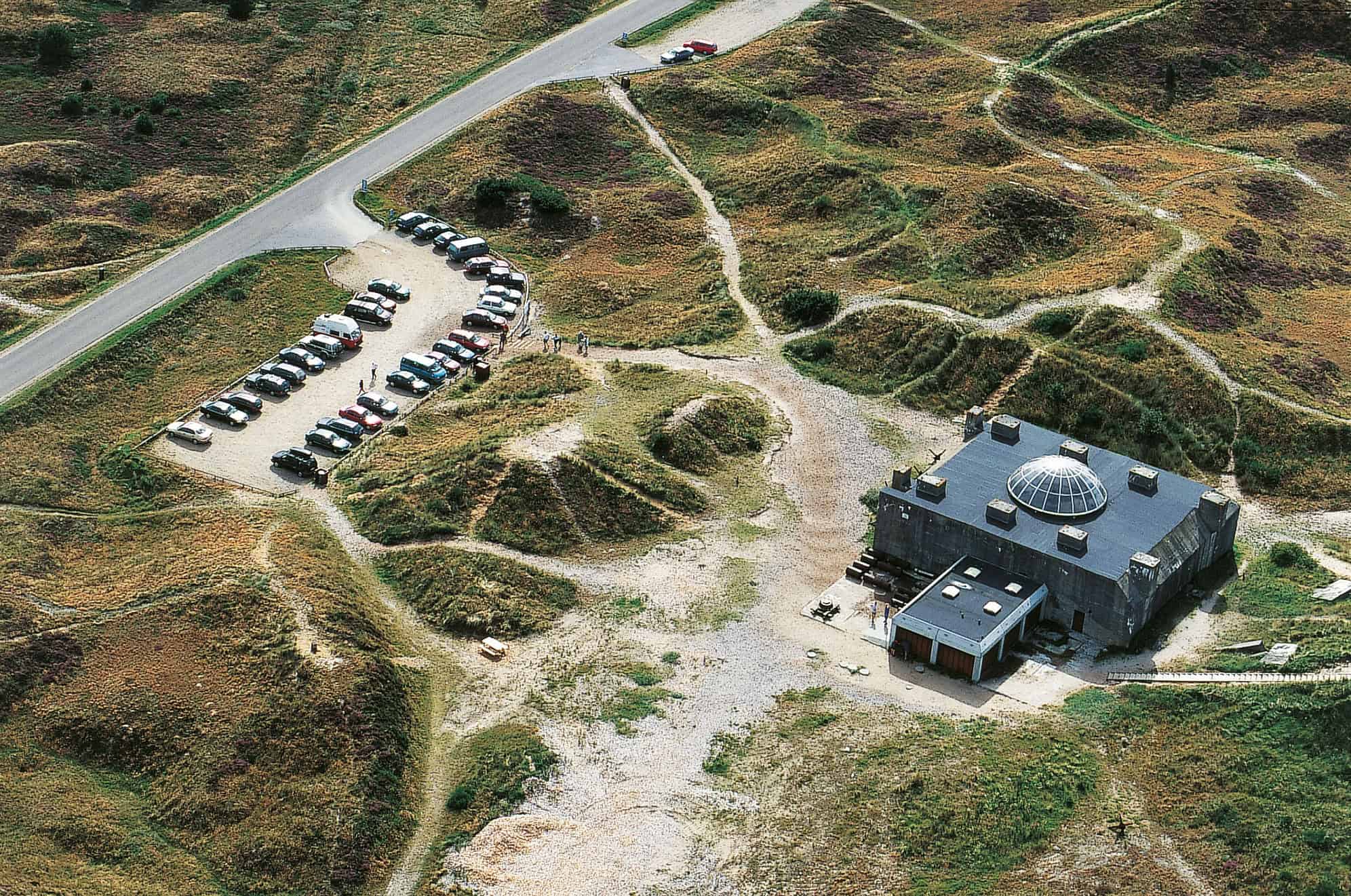
The local history museums worked well as local collections, but greater tourist potential truly emerged when the Tirpitz position opened in 1991.
The old bunker from the Second World War had been partially cleared of sand and debris by a group of unemployed young people in an employment project. Around 60,000 visitors came to the site, and the success encouraged the creation of more specialist museums.
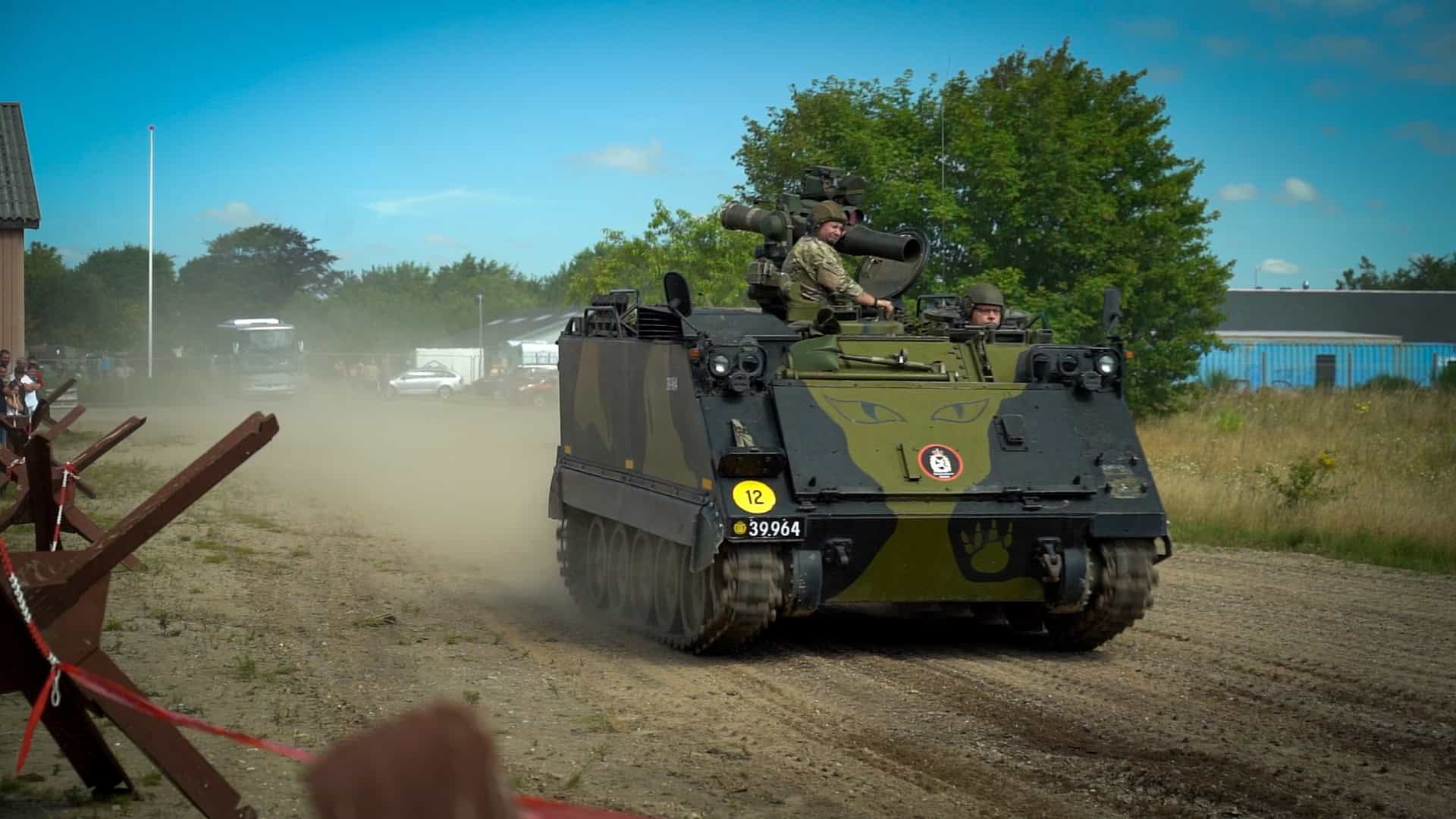
The Artillery Museum in Varde opened in 1992. In 1997, the newly renovated Jugend House became the setting for Otto Frello’s paintings, and the following year the Amber Museum in Oksbøl opened.
Some close, new ones open
In 2006, Nymindegab Museum opened as the successor to Blåbjerg Local Museum. Two years later, the Jugend House and Varde Museum were brought together on Kirkepladsen in Varde in the museum that today is called Museum Frello.
A new milestone came in 2017 with the opening of TIRPITZ, designed by architect Bjarke Ingels. The new museum was built in the dune landscape around the old Tirpitz bunker and brought together stories about the Second World War, amber, and the history of the West Coast.
Blåvand Museum, Blåvand Lifeboat Station, the Amber Museum and Blåvandshuk Local Museum were closed as independent exhibition venues, and parts of their collections were given space at TIRPITZ.
In 2022, this was followed by the opening of FLUGT – Refugee Museum of Denmark in Oksbøl, also designed by Bjarke Ingels Group (BIG). The museum is located in the area where Denmark’s largest refugee camp housed tens of thousands of German refugees after the Second World War. Based on the camp’s history, FLUGT tells stories of people in flight, both then and now.
Vardemuseerne today
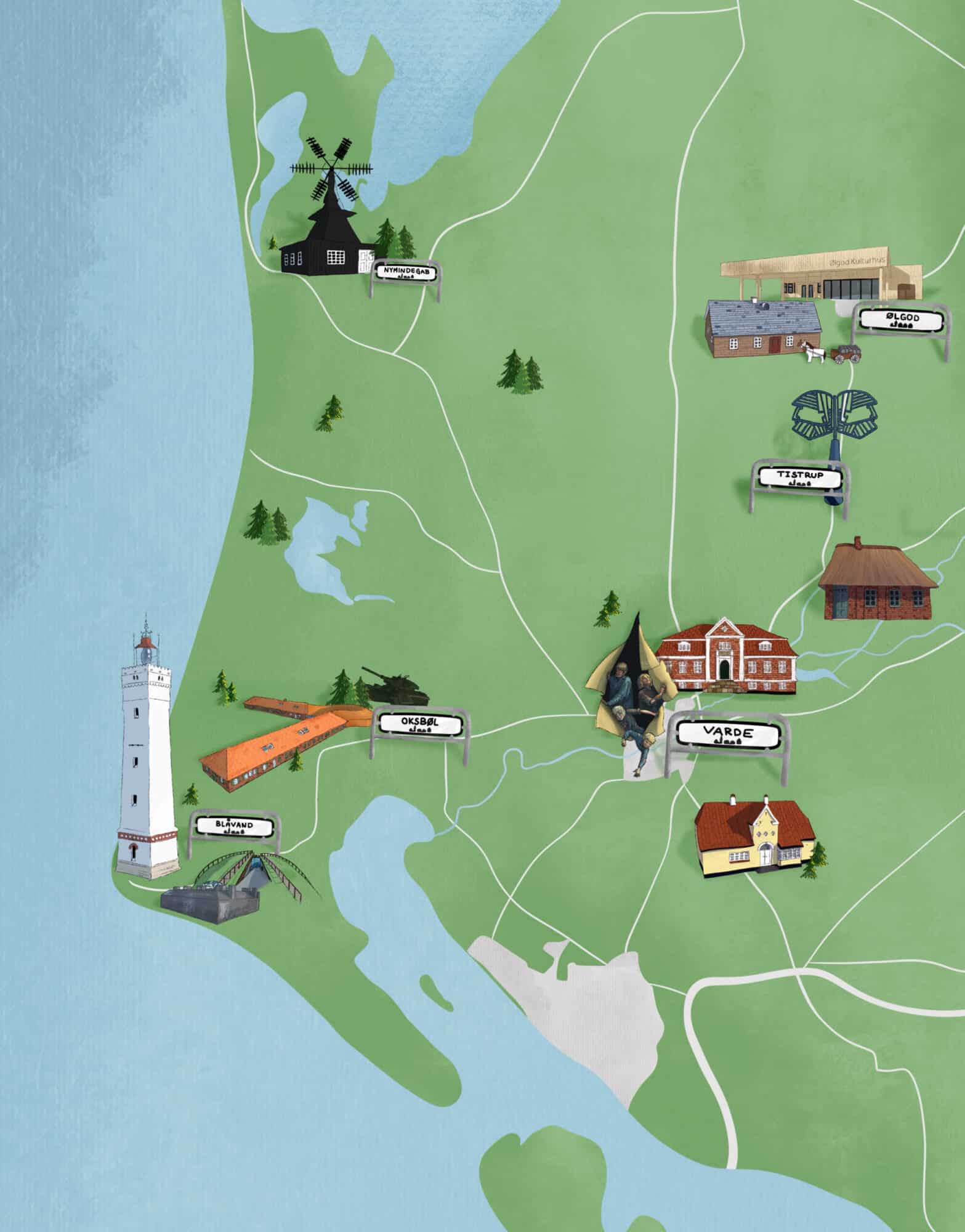
From a single museum in Varde in 1912, Vardemuseerne has developed into an institution with many different museums and visitor sites. Today, interpretation ranges from local cultural history, art and nature to stories of war, flight and people’s living conditions.
In 2026, the Historical Collection from the Occupation Period became part of Vardemuseerne.
The Tirpitz bunker became a museum in 1991